
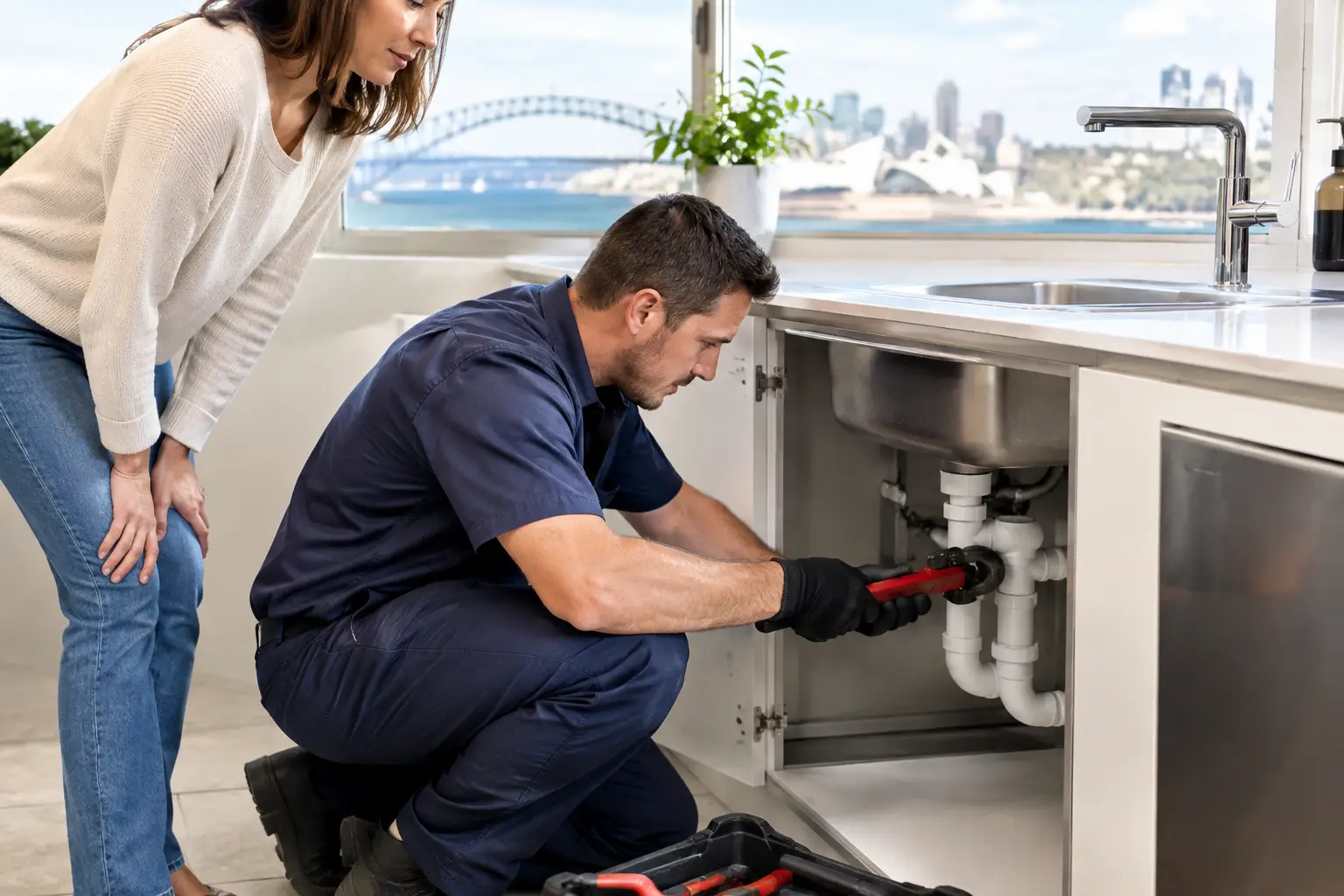
A slow-draining sink can feel like a minor nuisance until the shower backs up, the toilet gurgles or wastewater appears where it should not. Calling a blocked drain plumber early is usually the difference between a contained repair and a disruptive, expensive clean-up. For Sydney homes, strata buildings and commercial sites, the right response is not simply forcing water through the pipe. It is finding out why the drain blocked in the first place.
At Pioneer Plumbing Co., every drain issue starts with a practical question: is this a local blockage, or a sign of a deeper fault in the line? That distinction matters. A temporary clear may get the water moving today, but a root intrusion, collapsed pipe or poorly graded section can bring the same problem back next month.
Signs you need a blocked drain plumber
Drains rarely fail without warning. Water that takes longer to disappear after a shower, a basin that bubbles when the washing machine drains, or a toilet that rises before it flushes are all signs the pipe is struggling to carry waste away.
Smells matter too. A sewer odour around an outdoor gully, bathroom or laundry can indicate trapped waste, a blocked vent or a partial obstruction in the drainage system. Outside, soggy patches, unusually green grass near a sewer line, or water pooling around inspection openings deserve prompt attention.
One blocked fixture is often a local issue. For example, hair and soap residue can build up in a bathroom basin trap. But when several fixtures are draining slowly, or using one causes another to gurgle, the issue may sit further down the shared waste line or sewer connection. That is the point to stop reaching for supermarket chemicals and call a professional.
Why drains block in Sydney properties
The cause depends on the property, its age and the way the plumbing is used. In established northern Sydney suburbs, mature trees are a common culprit. Tree roots naturally seek moisture and can enter old clay pipes through fine joints or cracks. Once inside, they catch paper and waste until the pipe narrows or closes completely.
Kitchen drains have a different pattern. Cooking fats, oils and grease can look harmless when poured down with hot water, but they cool and stick to pipe walls. Food scraps, coffee grounds and detergent residue then collect around them. In restaurants, cafés and commercial kitchens, regular maintenance is essential because the volume of grease is much higher.
Bathrooms commonly suffer from hair, soap scum and hygiene products that do not break down in water. Toilets can block due to excessive paper, wipes labelled as flushable, sanitary items or small objects. Flushable does not always mean suitable for every private sewer line, especially where older pipework or shallow falls are involved.
A blockage can also be caused by the pipe itself. Cracked, displaced, collapsed or incorrectly installed drains cannot be fixed permanently by clearing alone. This is why diagnosis should guide the repair, rather than guessing from the surface symptoms.
What a proper blocked drain service looks like
A dependable blocked drain plumber should explain what they are testing, what they have found and what needs to happen next. There should be no mystery around the work or the cost.
The first step is to assess the affected fixtures and identify the most likely location of the obstruction. Depending on the drain and access available, a plumber may use an electric drain machine for a local internal blockage or high-pressure water jetting for more stubborn obstructions in external drains and sewer lines.
High-pressure jetting is highly effective for breaking up roots, grease, silt and compacted debris. It cleans the internal wall of the pipe rather than merely poking a small passage through the middle of the blockage. However, it must be used with care. A severely damaged or fragile pipe may need camera inspection before aggressive clearing work is carried out.
CCTV shows what is happening underground
CCTV drain inspection is where guesswork ends. A specialist camera travels through the pipe and provides live footage of its internal condition. It can reveal root intrusion, cracks, separated joints, bellies where water sits, construction debris or a collapsed section that cannot be seen from above ground.
This is particularly valuable when a drain blocks repeatedly. If the line has been cleared twice in a short period, treating the third call as another simple blockage may waste your money. Camera footage allows the plumber to recommend the right next step, whether that is targeted root treatment, pipe relining, excavation and replacement, or a planned maintenance schedule.
For homeowners, this means less unnecessary digging through gardens, driveways or finished bathrooms. For strata managers and commercial operators, it provides clear evidence for maintenance decisions, budgeting and communication with owners or tenants.
Clearing the drain is only part of the job
Once the water is moving again, the work should be verified. A final camera check can confirm whether debris has been removed and identify any damage left behind. The plumber should also test fixtures, clean the work area and explain any practical steps that will reduce the risk of another blockage.
That attention to detail matters when wastewater has overflowed. Drains carry more than water, so hygiene and clean site practices are not optional. Your home, tenancy or common area should be treated with care from arrival to completion.
Why DIY drain fixes can make things worse
A plunger can be useful for a light, local blockage, and cleaning a basin trap is reasonable if you are confident doing so safely. Beyond that, DIY methods carry real risks.
Chemical drain cleaners can damage older pipework, seals and fixtures, especially when used repeatedly. They may sit in the pipe without reaching the actual obstruction, creating a hazardous situation for whoever opens the line next. Mixing products is even more dangerous.
Improvised drain snakes can compact the blockage, scratch pipe interiors or become stuck. More importantly, they do not reveal why the drain failed. If roots have entered a cracked earthenware pipe, no bottle of cleaner will solve the underlying defect.
If sewage is backing up inside, water is overflowing from an outside gully, or a commercial toilet area is out of action, treat it as urgent. Avoid using affected fixtures, keep children and pets away from wastewater, and arrange professional help. Fast action protects your property and limits disruption.
Choosing the right plumber for a drain problem
Price matters, but the cheapest call-out is not always the best value when the issue returns. Ask whether the plumber is licensed and insured, whether they use CCTV when required, and whether they can explain the likely cause before recommending major work.
Clear pricing is equally important. You should understand the scope before work begins, including whether jetting, camera inspection or further repair is likely to be needed. A quality plumber will be upfront about the trade-off: sometimes a simple clear is appropriate, while recurring faults require a more permanent repair.
For strata and commercial properties, look for a team that can work around tenants, customers and operating hours. Punctual attendance, tidy conduct and direct updates reduce the burden on building managers and business owners. When a drainage fault affects shared amenities or a trading area, one call and one clear plan can make a difficult day far more manageable.
Preventing the next blockage
Good habits protect drains, though they cannot prevent every problem in ageing pipework. Keep fats and oils out of the kitchen sink, use strainers to catch food and hair, and place wipes, paper towel and hygiene products in the bin. If your property has mature trees near the sewer route, periodic CCTV inspections can catch root growth before a full blockage develops.
Properties with a history of drain issues may benefit from planned maintenance. This is not about doing work for the sake of it. It is about matching the maintenance interval to the actual condition of the line, the tree growth around it and the consequences of a failure. A home may only need attention after symptoms appear, while a busy café or strata complex may need proactive cleaning to avoid a costly closure.
A blocked drain is unpleasant, but it does not need to become a drawn-out plumbing saga. Choose a plumber who arrives when promised, investigates properly and leaves you with a clear answer, a clean site and confidence in the pipework beneath your property.