
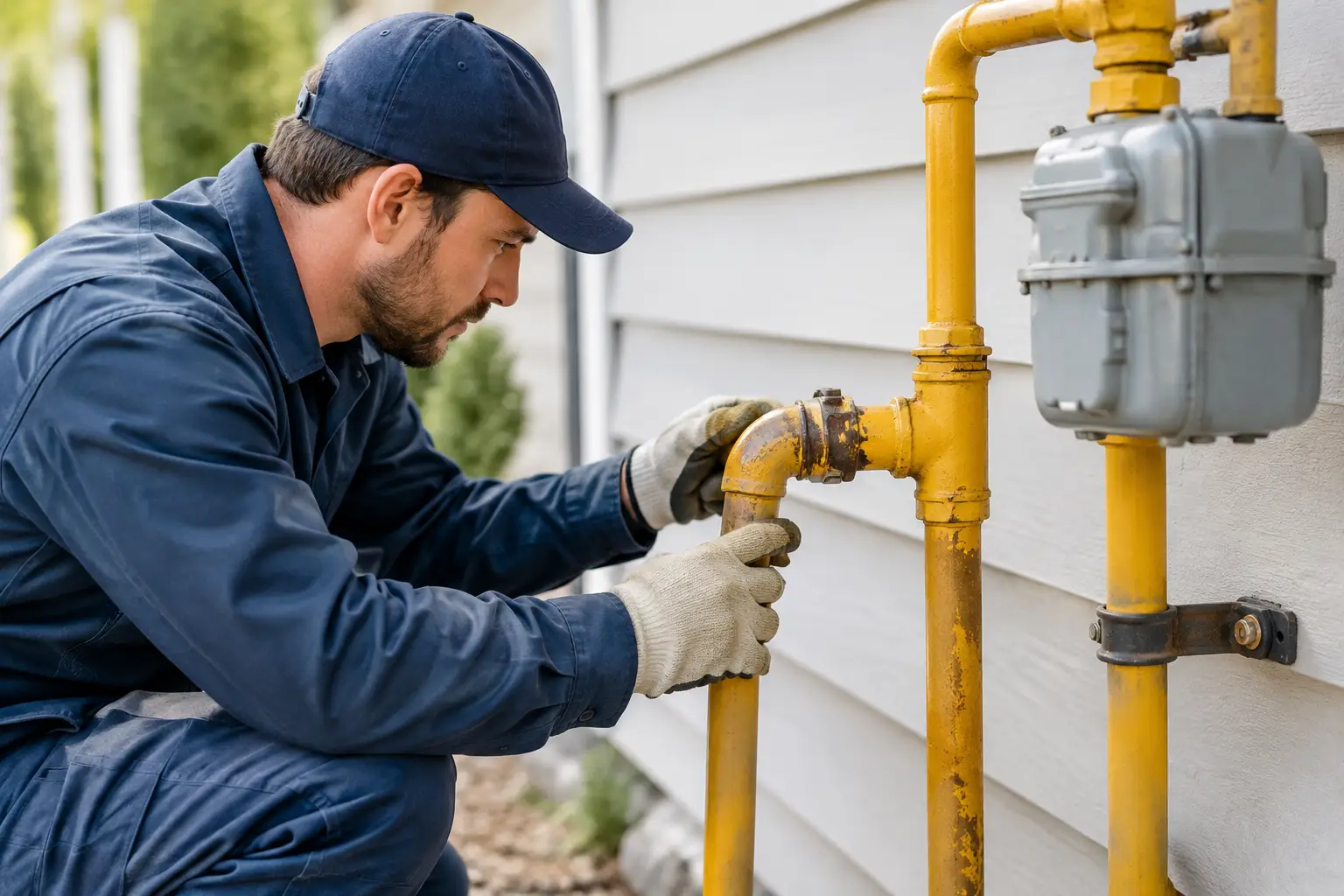
A gas line is easy to forget when it is working properly. It sits behind walls, beneath floors or along the side of a building, quietly supplying your cooktop, heater or hot water system. But when fittings corrode, pipework is damaged or a renovation changes the load on the system, gas pipe replacement becomes a safety-critical job - not something to postpone or patch around.
For Sydney homeowners, strata managers and commercial operators, the right response is clear: isolate the risk, have the system assessed by a licensed gas fitter, and replace faulty pipework properly. Clean work, clear advice and compliant installation matter. The proof is in the pipework.
When gas pipe replacement is the right call
A gas pipe does not need to be visibly broken to be unsafe. Older installations can deteriorate gradually, particularly where external pipework is exposed to weather, where soil conditions affect buried lines, or where previous alterations have left unsuitable connections in place.
The most obvious warning sign is the smell of gas. Natural gas is odourised to make leaks easier to detect, so a sulphur-like or rotten-egg smell near an appliance, meter or gas line should always be treated seriously. Turn off the gas at the meter if it is safe to do so, avoid operating electrical switches or flames, move people away from the area and arrange an urgent licensed assessment.
Other signs can be less dramatic. Your gas appliances may struggle to ignite, flames may look yellow or uneven instead of steady blue, or you may notice hissing near exposed pipework. Higher-than-expected gas bills, recurring faults at the same appliance, rusty outdoor pipes, loose fittings and damaged brackets can also point to a problem in the supply line rather than the appliance itself.
Not every issue means the entire gas system needs replacing. A faulty regulator, appliance connection or isolated section of pipe may be repairable. The decision depends on the condition of the pipework, the location of the fault, the age of the installation and whether the existing system remains suitable for the property’s needs.
Why old or damaged gas lines should not be patched repeatedly
A small repair can be appropriate when the surrounding pipe is sound and the fault is genuinely isolated. Repeated repairs on ageing, corroded or poorly installed pipework are different. They can create a cycle of call-outs while leaving the underlying safety concern unresolved.
Replacement is often the smarter long-term option when pipework has widespread corrosion, has been physically damaged, no longer meets current installation requirements or cannot support additional appliances. This is common during kitchen renovations, outdoor entertaining upgrades, hot water changes and commercial fit-outs, where the gas demand may be different from the original design.
For a property investor or strata committee, replacing a failing section before it becomes an emergency can also reduce disruption. Planned work can be coordinated around tenant access, business hours and other trades. An urgent gas fault rarely offers that convenience.
There is a cost trade-off. Replacing more pipe than a single repair will cost more upfront, especially where access involves excavation, ceiling space work or reinstatement. However, a properly designed replacement can improve reliability, protect the property and avoid the false economy of repeated temporary fixes.
What a professional gas pipe replacement involves
Gas work in NSW must be completed by a properly licensed gas fitter. This is not a DIY task, and it is not work to hand to an unqualified contractor during a renovation. Gas systems require correct sizing, approved materials, sound jointing methods, testing and certification.
The job should begin with diagnosis, not assumptions. A licensed gas fitter assesses the affected pipework, appliances, meter arrangement and visible connections. Where appropriate, pressure testing helps identify whether the system is holding gas safely. The goal is to find the root cause: a leak, corrosion, inadequate pipe sizing, a poor previous alteration or damage from building works.
Once the scope is clear, the replacement route is planned. In some homes, new pipework can be run neatly through accessible roof or subfloor spaces. In others, the safest option may be external pipework fixed and protected along the building. Buried pipework requires particular care, including appropriate material selection, protection and depth. The best route is not always the shortest route - it is the one that is safe, compliant, accessible for future servicing and sympathetic to the property.
The affected gas supply is isolated while work is completed. New pipe is installed, supported correctly and connected to approved fittings and valves. Appliances are then checked as part of recommissioning. Before the system is returned to service, it must be tested to confirm it is gas-tight and operating as intended.
A professional should also leave the site tidy and explain exactly what has been done. You should understand which section was replaced, why it was necessary and what to watch for in future. No vague handover, no mystery invoice and no loose ends.
Gas pipe replacement during renovations and upgrades
Renovations are one of the best times to review gas pipework. Once cabinetry, walls or flooring are closed up, correcting an undersized or poorly routed gas line becomes more disruptive and expensive.
If you are moving a cooktop, adding a gas bayonet for heating, installing an outdoor barbecue point or changing a hot water system, the existing line may need alteration or replacement. The pipe size must suit the appliances being supplied and the distance from the meter. A line that worked adequately for one cooktop may not be appropriate once additional gas appliances are added.
Coordination matters here. Your gas fitter should work alongside the builder, electrician, kitchen installer and other trades so pipework is installed at the right stage and access points are not covered before testing is complete. This is where premium service is more than arriving with tools. It is careful planning that keeps a renovation moving and protects the finished result.
For commercial premises, the stakes can be higher. Restaurants, retail sites, offices and strata buildings may need works completed outside operating hours, with minimal interruption to occupants or customers. The installation still needs the same disciplined testing and compliance, even when the schedule is tight.
What to do if you suspect a gas leak
If you can smell gas, hear gas escaping or believe a gas pipe may have been damaged, do not investigate with a flame or try to tighten fittings yourself. Avoid using electrical switches, power points, appliances, lighters and mobile phones near the suspected leak. If safe, turn off the gas supply at the meter, ventilate the area by opening doors and windows, and move people away.
For a significant leak, fire risk or immediate danger, contact emergency services and the relevant gas network emergency line. Once the area is safe, arrange for a licensed gas fitter to inspect and repair the system. Do not turn the supply back on until the fault has been professionally resolved.
It is also worth taking suspected leaks seriously even if the smell comes and goes. Gas can collect in enclosed areas, and an intermittent issue may be affected by appliance use, temperature or movement in pipework. Waiting for a stronger smell is not a sensible test.
Choosing the right gas fitter in Sydney
When comparing providers, look beyond the first call-out price. Ask whether the technician is licensed for gas fitting, whether they will test the full affected section, what materials and route they recommend, and whether the quote explains the scope clearly. A reputable provider will not pressure you into unnecessary replacement, but they also will not dismiss corrosion or recurring faults with a quick patch.
For northern Sydney properties, Pioneer Plumbing Co. approaches gas work with the same standard applied to every water, gas and waste system: arrive when promised, explain the issue in plain English, protect the home or site, and complete the job properly. That includes transparent flat-rate quoting and a lifetime workmanship warranty on eligible work.
Gas pipework is not an area for guesswork. If something feels off - a smell, a yellow flame, a damaged line or an old installation being altered for a renovation - act early. One qualified inspection can turn an uncertain safety concern into a clear plan and a properly protected property.