
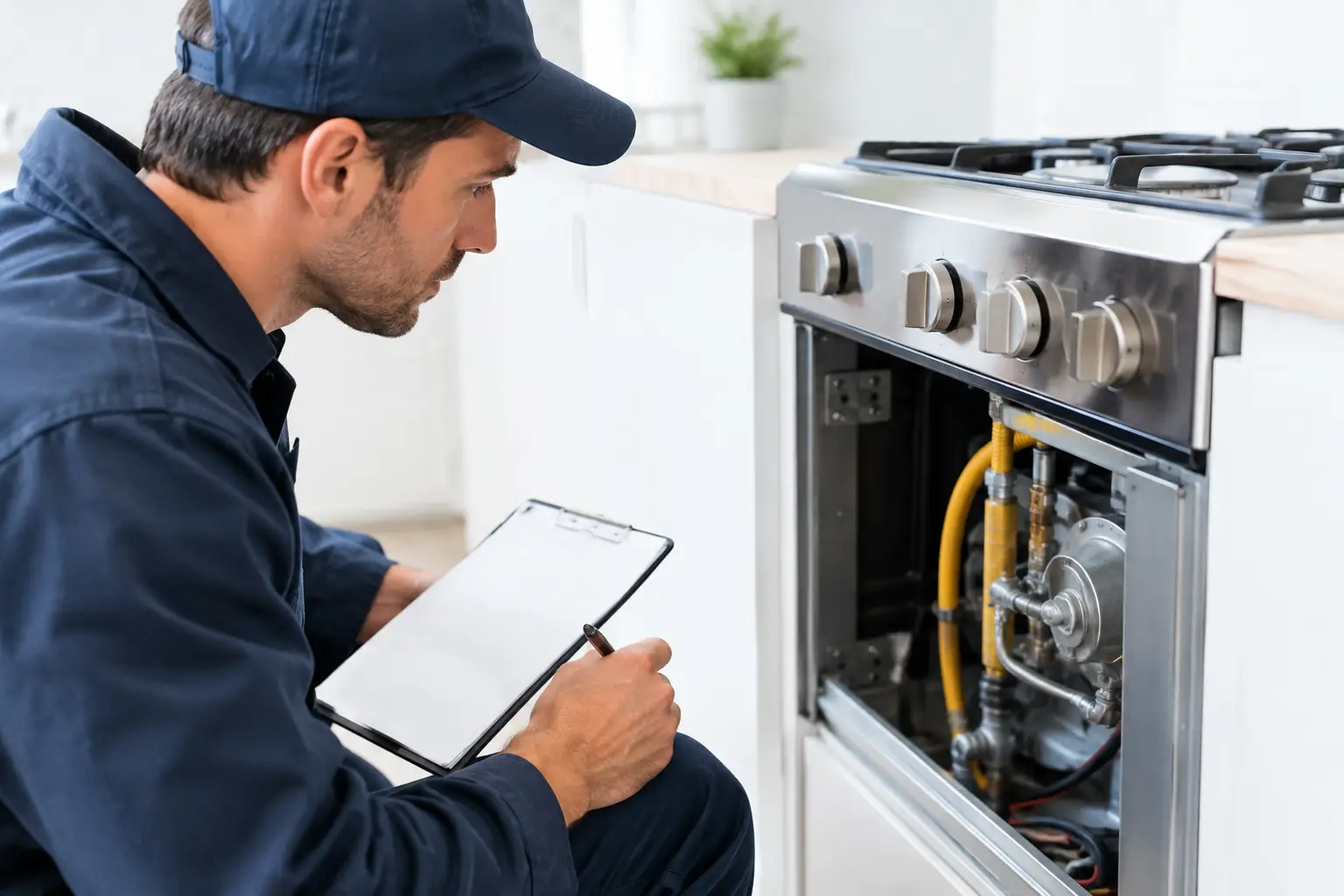
A gas appliance can look perfectly normal right up until it does not. A faint smell near the cooktop, a hot-water system that keeps cutting out, yellow-tipped flames or a heater that leaves the room feeling stuffy all deserve attention. If you are arranging a gas safety certificate Sydney property owners can have confidence in, the first step is understanding what certificate is actually required and when.
Gas work is not a job for guesswork, online tutorials or a quick patch from an unlicensed operator. Whether you own a family home, manage a strata building, are renovating an investment property or operate a commercial site, safe gas fitting protects people, property and your compliance position.
What does a gas safety certificate mean in Sydney?
In everyday conversation, a gas safety certificate usually refers to paperwork confirming that gas work or a gas installation has been checked and completed safely by a qualified, licensed gasfitter. In NSW, the precise document and process can depend on the type of work, the appliance, the property and the gas network requirements.
For new gas installations, alterations and certain repair work, a licensed gasfitter may issue a Certificate of Compliance or other required documentation once the work has been completed and tested. This record matters because it shows the job was not simply connected and switched on. It was installed, tested and signed off by a properly licensed professional.
A safety inspection is slightly different. It focuses on the condition and safe operation of existing gas appliances, pipework, connections and ventilation. It can identify faults before they become a serious issue, particularly in older homes where appliances and pipework may have been altered over decades.
The important point is this: do not ask for paperwork just because it sounds official. Explain what has happened at the property, whether work is planned and what appliance is involved. A capable gasfitter can advise what inspection, testing and documentation applies to your circumstances.
When a gas safety certificate in Sydney may be needed
There is no one-size-fits-all annual certificate rule for every NSW home. Requirements can vary, so it pays to separate legal compliance from sensible preventative maintenance.
You may need compliance documentation when a licensed gasfitter installs a new gas appliance, extends or modifies gas pipework, relocates a cooktop during a kitchen renovation, installs a gas bayonet, replaces a gas hot-water unit or completes other regulated gasfitting work. Your gas supplier, builder, insurer, strata manager or project requirements may also call for particular records.
For landlords and property managers, the obligation is broader than keeping a folder of old certificates. Rental properties must be maintained in a reasonable state of repair and fit for habitation. If a tenant reports a suspected gas issue, it should be treated seriously and assessed promptly by a licensed gasfitter. While routine inspections are a practical way to reduce risk, the right interval depends on the age and condition of the appliances, how heavily they are used and the property’s history.
Commercial and strata properties often benefit from a planned programme rather than waiting for a breakdown. Shared plant rooms, commercial kitchens, common-area heaters and multiple tenancy connections create more moving parts. Clear inspection records, responsive repairs and a single accountable plumbing partner make those responsibilities far easier to manage.
What a proper gas safety inspection should cover
A thorough inspection is not a quick glance at the appliance. The exact scope depends on the site, but a licensed gasfitter will commonly assess the installation condition, gas pressure and pipework integrity, appliance operation, accessible connections, flue performance where relevant, ventilation and signs of unsafe combustion.
At a home, that may include the cooktop, oven, gas heater, bayonet outlet and continuous-flow or storage hot-water system. At a commercial premises, the inspection may extend to multiple appliances, shut-off valves, plant equipment and more complex pipework runs.
The purpose is to find the root cause, not tick a box. A gas cooktop that is slow to ignite could be a simple burner-cleaning issue, but it could also point to an ignition fault, gas supply problem or damaged component. A pilot light that will not stay lit may involve a failing thermocouple, but the appliance must be assessed properly before anyone assumes the fix.
If a fault is identified, the gasfitter should explain what was found in plain English, what needs immediate attention and what can be planned. You should know the scope of work and price before repairs proceed. That is the difference between being looked after and being left with a confusing invoice after the fact.
Signs you should book an inspection now
Do not wait for a planned inspection if something feels wrong. Turn off the gas supply if it is safe to do so, avoid flames or electrical switches near a suspected leak, ventilate the area and seek urgent help from the appropriate emergency service or your gas distributor where required.
Arrange a licensed gasfitter promptly if you notice a sulphur or rotten-egg gas smell, hissing around a connection, soot or staining near an appliance, yellow or irregular flames, headaches or nausea when a gas appliance is operating, repeated pilot-light failures, or an appliance that has been exposed to water or physical damage.
Carbon monoxide is colourless and odourless, which is why ventilation, flue condition and correct appliance operation cannot be overlooked. Symptoms can resemble a common illness. If more than one person feels unwell while a gas heater is running, get into fresh air and treat it as urgent.
Renovations and appliance replacements need more than a connection
Kitchen and bathroom renovations are where gas compliance can be missed. A new cooktop may appear to be a straightforward swap, yet clearances, ventilation, appliance specifications, pipe sizing, connection points and testing all matter. The same applies when replacing gas hot water, especially where a newer unit has different installation requirements from the old system.
The lowest quote is not always the lowest long-term cost. Cutting into cabinetry twice because the appliance dimensions were not checked, discovering too late that pipework needs upgrading, or failing an inspection because shortcuts were taken can quickly erase an initial saving.
A good gasfitter plans the work around the finished result. They confirm the appliance requirements, inspect the existing supply, identify any limitations before installation day and leave the area clean when the work is complete. The proof is in the pipework, but it is also in the communication before a tool comes out of the ute.
Choosing the right licensed gasfitter
For gas work, licensing and insurance are the starting point, not a premium extra. Ask whether the contractor is licensed for the work, what testing will be carried out and what documentation you will receive. If a quote is unclear, ask what is included rather than assuming compliance checks, commissioning or disposal of the old appliance are covered.
It is also worth asking how faults are diagnosed. A reliable operator should not recommend replacing an appliance without first considering its age, condition, repair history and the cost of parts. Sometimes replacement is the sensible choice. Other times, a targeted repair gives years of reliable service. It depends on the equipment and the fault.
Pioneer Plumbing Co. provides licensed gas fitting across Sydney’s northern suburbs, with the same focus on punctuality, clean work and clear, flat-rate quoting applied to every water, waste and gas job. Where work is completed, customers receive straightforward advice on the relevant testing and compliance documentation, without the jargon or shortcuts.
Keep your gas records where you can find them
Keep certificates, invoices, appliance manuals and warranty information together. Take a photo of the appliance compliance plate and note the installation date. This is useful when selling, leasing, lodging a warranty claim, arranging future maintenance or responding to an insurer’s questions after an incident.
It also gives the next licensed gasfitter a clearer starting point. They can see what was installed, when it was done and whether previous work altered the pipework. That can save time, avoid unnecessary disruption and support a more accurate diagnosis.
Gas safety is one of those areas where quiet, preventative attention pays off. If an appliance is ageing, behaving differently or about to be included in a renovation, arrange the right inspection before a small concern becomes an urgent problem.