
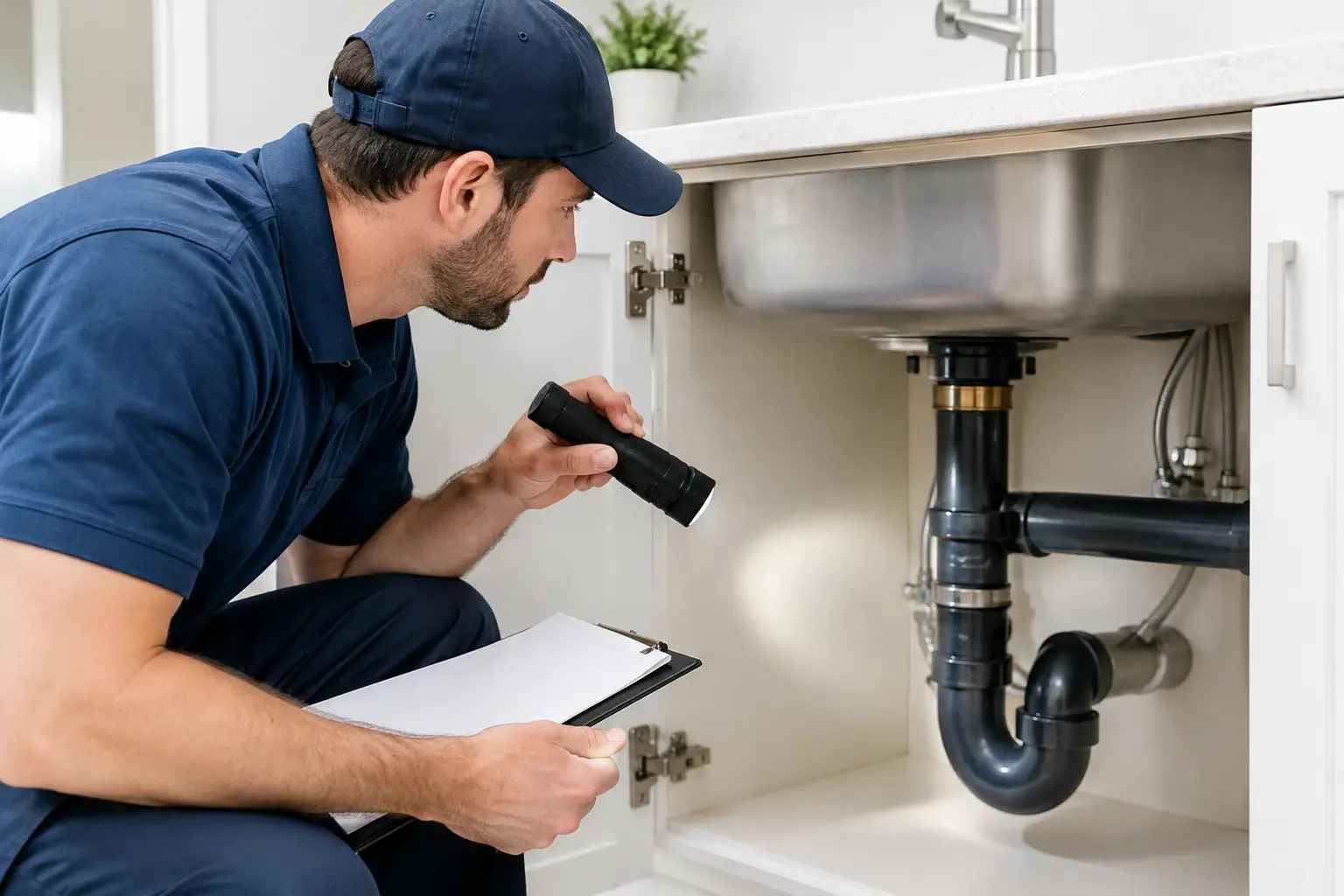
That bright bathroom, fast settlement date and competitive auction can make it easy to overlook what sits behind the walls and beneath the yard. A pre-purchase plumbing inspection gives you a clearer view of a property's water, gas and drainage systems before you commit - and before a hidden fault becomes your responsibility.
For Sydney buyers, this is particularly valuable in established homes. Ageing pipework, tree-root intrusion, poor past renovations and stormwater issues can all stay out of sight during an open inspection. A standard building and pest report may flag visible concerns, but it does not always diagnose plumbing performance or trace the cause of a drainage problem.
What a pre-purchase plumbing inspection covers
A proper plumbing inspection is a targeted assessment of the systems that carry water in, waste out and gas safely around the property. The scope should suit the home, its age and any concerns already raised by the selling agent, building inspector or buyer.
The plumber will usually assess visible plumbing fixtures and pipework, then test how the system performs. That can include taps, toilets, showers, baths, sinks, laundry connections, hot-water equipment, exposed water lines, isolation valves and drainage points. Water pressure, slow drainage, leaks, corrosion and signs of previous water damage all deserve attention.
Drainage is often where the biggest surprises live. A CCTV drain camera inspection can inspect accessible sewer and stormwater lines from the inside, without digging up the garden. It can reveal tree roots, cracked or displaced pipes, built-up debris, failed joints, bellies in the line and old pipe materials approaching the end of their useful life.
Where gas is connected, a licensed gas fitter can also visually assess accessible gas piping, appliance connections and obvious compliance or safety concerns. The exact testing available depends on access, the condition of the system and whether services are live at the time of inspection.
The costly problems buyers cannot see at an open home
A property can look carefully maintained while carrying a plumbing problem that has been developing for years. Fresh paint may hide the stain from an intermittent leak. A seller may have cleared a blocked drain shortly before the first open home. A hot-water unit may still be operating, but be corroded, undersized or near failure.
One of the most common findings is a restricted sewer line. Large trees are part of the appeal of many northern Sydney properties, but their roots naturally seek moisture. If they find a small crack or weak joint in an older drain, they can enter the pipe and gradually create recurring blockages. Clearing the roots may restore flow temporarily, but camera footage tells you whether the pipe itself needs repair or replacement.
Other red flags include water hammer, low pressure, leaking shower recesses, incorrectly connected stormwater, rusting galvanised pipes and unapproved DIY work. Each issue has a different cost and level of urgency. A dripping tap is straightforward. A failed sewer line running beneath a driveway or extension is a much larger decision.
The goal is not to find a perfect property. Few homes, particularly older ones, are perfect. It is to understand what is present, what needs prompt attention and what you should allow for in your budget.
Older homes need a closer look
In suburbs with established housing, plumbing materials can vary significantly from one renovation era to the next. A home may have newer fixtures at the front but retain ageing drainage under the original section. Extensions can introduce additional junctions, altered falls and connections that need to be checked.
A visual inspection alone cannot confirm the condition of concealed pipework. That is why a plumber should explain exactly what was inspected, what could not be accessed and where further investigation is sensible. Straight answers matter more than broad assurances.
When should you arrange an inspection?
The best time is before you are unconditionally committed. For private treaty purchases, this is generally during the cooling-off period or while your contract allows for due diligence. At auction, the decision window is tighter, so arranging inspections before auction day is usually the safer approach.
If you have already obtained a building and pest report, read it closely. Notes about dampness, slow fixtures, water staining, drainage smells, ageing hot-water equipment or poor subfloor ventilation are all good reasons to bring in a plumbing specialist. You can also arrange a plumbing inspection independently if you simply want greater certainty about a home with older services, substantial landscaping or a recent renovation.
Access affects what can be checked. The property needs working power and water where possible, reasonable access to fixtures and inspection points, and permission from the seller or agent. A professional should never claim to have inspected what they could not reach.
What to ask your plumber before booking
Ask whether drain camera footage is included where access permits, and whether you will receive clear findings in writing. You want practical language, photos or footage where useful, and a distinction between immediate defects, maintenance items and recommended upgrades.
It is also worth asking whether the inspection includes both sewer and stormwater drainage. They are separate systems, and a property can have one functioning well while the other creates water pooling, overflow or damage around the home.
For gas, confirm that the plumber is licensed to assess gas work and explain the level of testing proposed. For a property with a pool, granny flat, extensive outdoor kitchen or commercial-style equipment, mention it when booking so the inspection can be planned properly.
A premium inspection is not about creating a long list of minor defects to alarm you. It is about identifying material risks and giving you enough information to make a sensible decision. The proof is in the pipework, not vague language.
How the findings can help your purchase decision
Inspection results can support a more informed negotiation. If the camera shows significant root damage or a collapsed drain, you may seek a price adjustment, request repairs before settlement or decide the risk is not right for you. Your solicitor or conveyancer can advise on the contract and negotiation process.
Not every issue needs to become a deal-breaker. A hot-water system nearing replacement may be manageable if you factor in the cost and choose a suitable system after settlement. Minor leaks, worn tapware and basic maintenance can be planned. The more serious concerns are defects that affect sanitation, safety, structural areas, drainage reliability or access for future repairs.
Cost depends on the remedy, not just the finding. Replacing a short accessible section of pipe is very different from relining or excavating a deep line beneath a slab, driveway or landscaped yard. A capable plumber should discuss the likely repair pathway, any access challenges and the options available rather than offering a one-size-fits-all answer.
Why a building report is not always enough
Building inspectors provide an essential broad assessment of the property, but they are generally non-invasive and cannot perform specialised plumbing diagnostics as part of a standard report. They may identify visible signs of moisture or note that drains should be investigated, but a CCTV camera, leak detection equipment and trade-specific testing can take the next step.
That does not make one report a replacement for the other. For many buyers, the strongest approach is a building and pest inspection supported by a focused plumbing assessment when the property, report findings or purchase price justify it. On a major investment, spending a little more on due diligence can prevent a difficult and expensive surprise later.
Buy with clear eyes
A pre-purchase plumbing inspection cannot guarantee that no future repair will ever be needed. Plumbing systems age, weather events happen and some pipework remains inaccessible without invasive work. What it can do is reduce the unknowns, expose risks that a quick walkthrough will miss and help you move forward with realistic expectations.
If you are considering a Sydney property and want the water, waste and gas systems assessed with care, choose a licensed plumber who explains the findings plainly, arrives when promised and looks for root causes rather than temporary patches. Buying a home is a big moment. You deserve to know what is happening behind the walls before the keys are in your hand.