
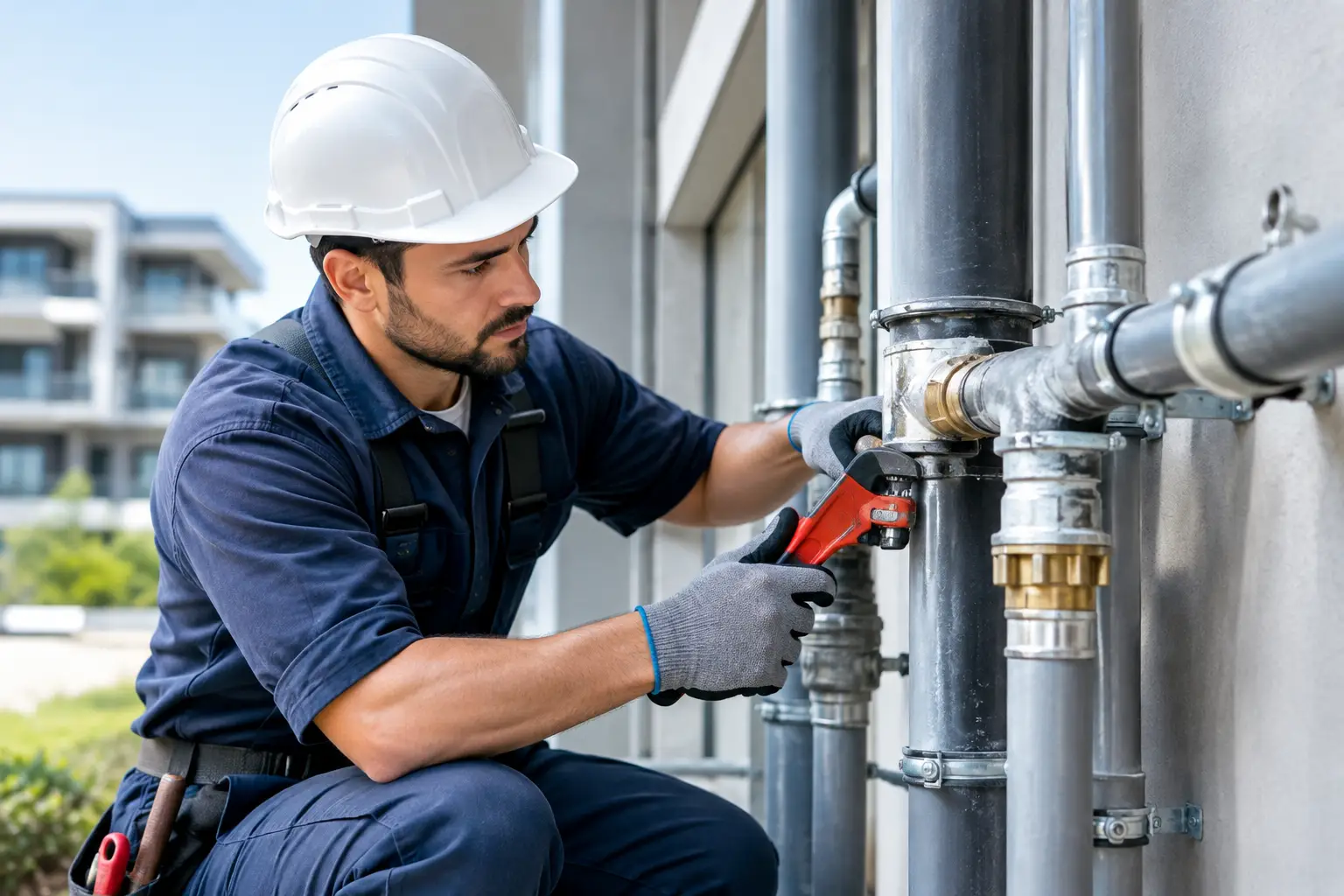
A blocked stack can affect several apartments before breakfast. A concealed leak can quietly damage ceilings, flooring and insurance relationships for months. That is why strata plumbing services need more than a plumber who arrives with a toolbox. They need a responsive, organised team that can identify the source, communicate clearly and leave the property in better shape than they found it.
For strata managers, committee members and building owners, plumbing is part of protecting the asset and keeping residents comfortable. The right approach balances urgent response with planned maintenance, accurate reporting and workmanship that holds up long after the van has left.
What makes strata plumbing different?
Strata plumbing sits at the meeting point of private lots, common property, building systems and resident expectations. A leaking tap inside one unit may be straightforward. A leak travelling through a slab, shared pipework or a vertical stack needs careful investigation before anyone can say where responsibility begins and ends.
This is where guesswork becomes expensive. Sending a plumber to treat the visible symptom without tracing the source can mean repeat call-outs, frustrated occupants and avoidable water damage. A proper diagnosis considers the building layout, the affected fixtures, access requirements and the condition of connected services.
It also requires good site conduct. Residents need notice, common areas need to stay clean, and managers need information they can act on. Clear communication is not an extra in strata work. It is part of the job.
Strata plumbing services for the problems that cannot wait
Some faults need attention immediately, particularly when water is escaping, sewage is backing up or a gas issue is suspected. Fast attendance matters, but so does making safe, sensible decisions on site.
Blocked drains and sewer backups
Recurring drain blockages are rarely solved by repeated plunging or a quick chemical treatment. Tree roots, cracked pipework, scale build-up, wipes and poor pipe falls can all cause ongoing trouble in shared drainage lines.
Professional drain clearing starts with the right equipment, often high-pressure water jetting, followed by CCTV drain inspection where the cause is unclear or the blockage returns. Camera footage can show whether the line is damaged, invaded by roots or simply carrying a heavy build-up. It gives the strata manager evidence for the next decision rather than a vague assurance that the drain is flowing again.
Water leaks and burst pipes
Water does not always appear where the fault is. A damp patch on a level-one ceiling may originate from a bathroom, balcony, laundry or pipe several metres away. Finding the leak without opening every wall is the priority.
Leak detection methods can include pressure testing, moisture assessment and targeted inspection of fixtures and pipework. Once the source is confirmed, the repair can be scoped properly. In some cases, a local repair is appropriate. In others, ageing pipework or repeated failures may justify a wider replacement plan. The right answer depends on the building, the budget and the risk of recurrence.
Hot water failures
A failed hot water system affects daily routines quickly, especially in buildings with individual units, central plant or shared services. The first question is whether the issue is isolated or part of a broader fault. A lack of hot water can result from a failed component, a tempering valve issue, a leak, an electrical supply problem or a system nearing the end of its service life.
A good strata plumber explains the available options in plain English: repair now, replace like-for-like, or upgrade the system where it makes sense. There should be no surprise substitution and no vague quote that leaves the committee guessing what is included.
Gas faults and compliance concerns
Gas work should only ever be handled by a licensed gas fitter. If residents report a gas smell, unusual appliance behaviour or a suspected leak, the area needs to be treated seriously and the gas supply may need to be isolated while the fault is investigated.
For common-area kitchens, commercial tenancies and plant rooms, planned checks and compliant repairs help reduce risk. Documentation matters here too, particularly where building managers need a clear record of what was tested, repaired and certified.
Planned maintenance protects the building budget
Emergency work is unavoidable at times. Constant emergencies are not. Planned plumbing maintenance gives strata committees a clearer picture of their building’s condition and helps spread larger works over a sensible timeframe.
Older apartment blocks may benefit from scheduled drain inspections, roof and stormwater checks, valve testing, leak reviews and hot water servicing. Newer buildings can still have defects, poorly installed components or high-use areas that need attention sooner than expected. The age of the building matters, but its history matters more.
A maintenance visit should not become a list of theoretical upsells. It should identify practical risks, explain their likely impact and distinguish between urgent repairs, recommended works and items to monitor. That allows the committee to make decisions based on facts, not pressure.
For example, a CCTV inspection may reveal early root intrusion in a boundary line. Clearing the roots and arranging a repair before the next wet season can cost far less than managing a sewage overflow into ground-floor lots. The proof is in the pipework, but the value is in avoiding disruption before it starts.
Clear reporting keeps everyone on the same page
Strata managers are often coordinating residents, owners, contractors, insurers and committee members at once. They need more than a verbal update at the end of a visit.
After a plumbing attendance, useful reporting should make it clear what was found, what was done, what remains at risk and what action is recommended next. Photos, CCTV findings and a clearly defined scope can be particularly helpful where an owner needs approval or an insurer needs supporting information.
Transparent flat-rate quoting also makes a difference. Strata stakeholders should know what work is being proposed before it proceeds, except where immediate action is required to prevent damage or keep the site safe. If additional issues appear once the work begins, they should be explained promptly, with options where possible.
Choosing a plumbing partner for your strata scheme
Price matters, but the cheapest attendance is not always the lowest-cost outcome. A contractor who cannot diagnose the root cause, does not document the work or leaves common areas untidy can create more admin and expense than they save.
Look for a licensed and insured plumbing team with experience across water, gas and waste systems, not just one narrow repair type. Seven-day availability is valuable for urgent faults, while punctual arrival windows and direct communication make routine works easier to manage. It is also worth asking how the plumber handles access, resident notices, after-hours work and follow-up repairs.
Pioneer Plumbing Co. approaches strata work as a long-term relationship, not a one-off call-out. That means arriving prepared, treating residents and common areas with care, explaining the issue without trade jargon and fixing the cause wherever practical. A lifetime workmanship warranty adds another layer of confidence that the work has been done properly, without shortcuts.
A better process from the first call
When a problem is reported, the most useful details are simple: where it is occurring, when it started, whether other lots are affected, and whether water, drainage or gas is involved. Photos can help, but they are not always necessary. A reliable plumber should ask the right questions and guide the next step.
For urgent issues, the focus is on making the area safe, limiting damage and restoring essential services. For non-urgent work, the focus shifts to diagnosis, access planning and a clear scope. Either way, residents deserve respectful service and the committee deserves an answer it can stand behind.
Good strata plumbing is rarely noticed when it is working well. Water flows, drains clear, hot water arrives and building managers can get on with the rest of the day. That quiet reliability is the standard worth setting for every property.