
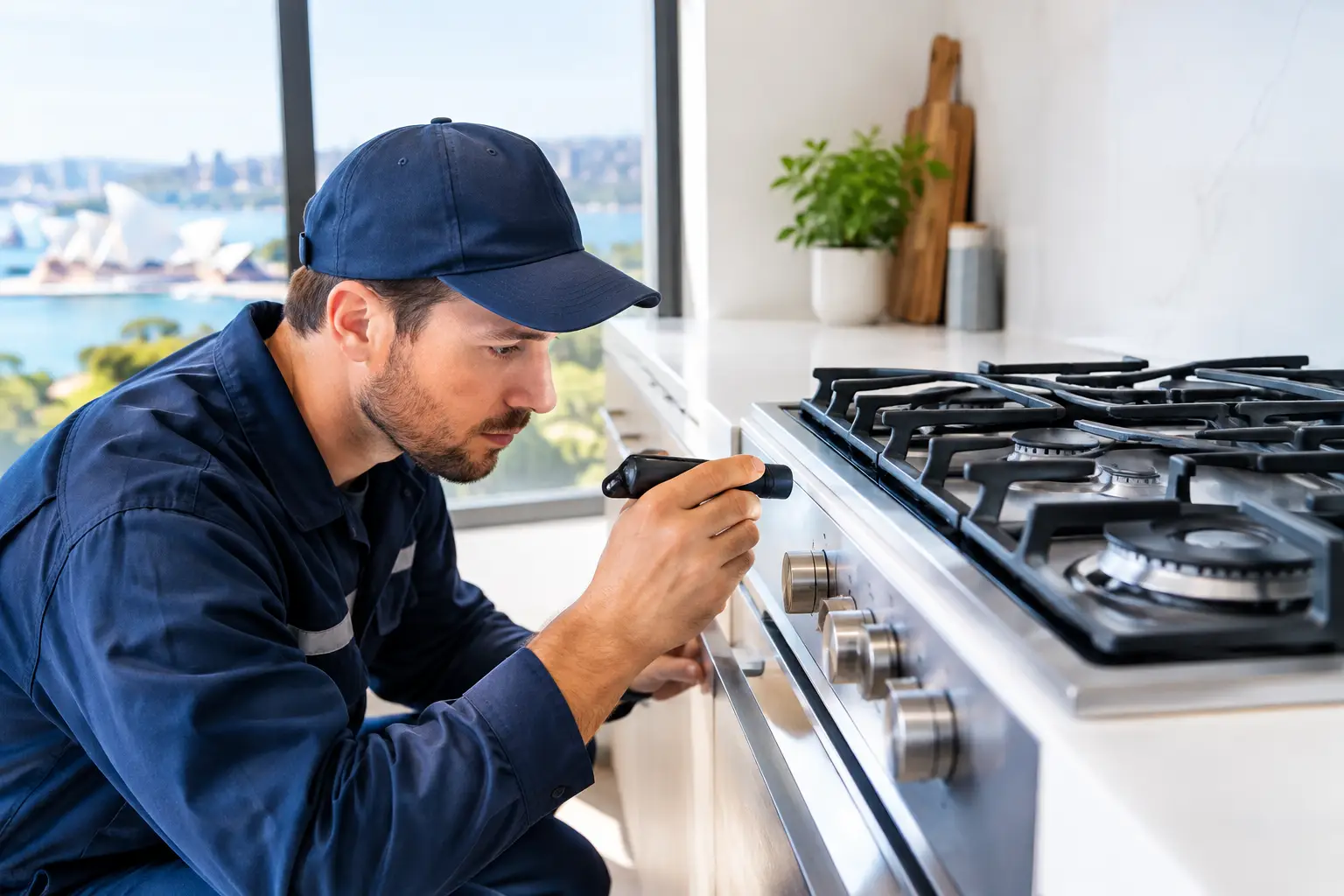
A gas fault rarely announces itself at a convenient time. It may start with a faint sulphur-like smell near the cooktop, a hot-water system that keeps cutting out, or a heater that leaves the room feeling stuffy. This gas safety guide explains what Sydney homeowners, strata managers and business operators should look for, what to do first, and where a licensed gas fitter is essential.
Natural gas is an efficient, dependable part of many properties, but it must be installed, tested and maintained properly. Gas work is not a DIY job. The right response protects people, property and your compliance obligations.
Gas safety starts with knowing the warning signs
The most obvious sign of a gas leak is the distinctive odour added to natural gas to make leaks easier to detect. If you smell gas indoors, outdoors near the meter, or around an appliance, treat it seriously. A hissing or whistling sound near a gas pipe, meter or appliance connection can also indicate escaping gas.
Not every gas issue is as clear-cut. A gas cooktop that is difficult to ignite, flames that appear mostly yellow or orange, soot around an appliance, or a pilot light that will not stay on can point to a combustion or supply problem. Yellow flames can occasionally be caused by debris or a burner that needs cleaning, but they should still be checked rather than ignored.
Poor combustion can create carbon monoxide, a colourless, odourless gas that can make people unwell. Headaches, dizziness, nausea, unusual tiredness and confusion that improve after leaving a room are warning signs, particularly when a gas heater or hot-water appliance is operating. If several people in the property feel unwell at once, or pets appear affected, move into fresh air and seek urgent medical advice.
What to do if you smell gas
Your first job is to reduce risk, not to find the source yourself. If there is a strong smell, a hissing sound, anyone feels unwell, or you suspect an active leak, leave the building and move others away from the area. Call emergency services on 000 if there is immediate danger, fire, illness or an uncontrolled leak. Contact your gas network emergency line from a safe location as well.
If the situation appears minor and it is safe to do so, follow these precautions:
- Do not light matches, smoke, use candles or operate any flame.
- Do not switch electrical appliances, lights or exhaust fans on or off.
- Do not start a vehicle, use a doorbell or use electrical equipment close to the suspected leak.
- Open doors and windows for ventilation only if you can do so safely, then leave the area.
Do not attempt to repair pipework, tighten fittings, remove appliance covers or test for a leak with a naked flame. If you know where the appliance isolation valve is and can turn it off without entering a gas-filled area or putting yourself at risk, do so. Otherwise, leave it alone and wait for the appropriate emergency response or a licensed professional.
A smell outdoors near the gas meter also needs attention. Keep people clear, avoid creating sparks and report it. The source may be on the network side of the meter or within the property installation, and that distinction matters when arranging the right response.
Your gas safety guide for everyday appliances
Most gas safety problems are preventable with sensible use and timely maintenance. The key is not to wait until an appliance stops working completely.
Cooktops, ovens and gas bayonets
Keep burners clean and dry so gas can flow and ignite evenly. Food spills, grease and moisture can interfere with burner ports and produce an uneven flame. If ignition clicks continuously, a burner will not light, or you can smell gas after turning a control off, stop using the appliance and arrange an inspection.
A gas bayonet point for a portable heater must be properly capped when not in use. Hoses, fittings and the bayonet connection should be compatible, in good condition and fitted as intended. Never run a gas heater hose through a doorway, under a rug or where it can be crushed by furniture.
Gas heaters
Use gas heaters exactly as the manufacturer directs. Unflued heaters need particular care because their combustion products enter the room. Ventilation requirements are not optional, even on a cold Sydney morning when shutting every window feels tempting. Do not use an outdoor gas heater, barbecue or patio appliance indoors, in a garage or in an enclosed balcony.
Keep curtains, furniture, washing and other combustible materials well clear of heaters. If a heater is damaged, sooty, difficult to light or causing condensation, headaches or a stale smell, turn it off and have it assessed. Annual servicing is a sensible baseline for regularly used gas heating, especially before winter.
Hot-water systems
A gas hot-water system often gives early clues when something is not right. Watch for inconsistent water temperature, a unit that repeatedly shuts down, unusual noises, soot marks, visible corrosion or water collecting around the system. These can be gas, water, ventilation or mechanical issues, and the correct diagnosis prevents a small fault becoming a cold shower or a safety concern.
Never block the vents or flue around a gas hot-water unit. Outdoor units still need clear air space, while internal systems rely on correct flueing to carry combustion gases safely outside. Renovations can create problems when cabinetry, screens or stored items alter the clearances around an appliance that was originally installed correctly.
Maintenance is about compliance as well as comfort
In NSW, gas fitting work must be performed by an appropriately licensed gas fitter. That includes installing, extending, altering, repairing or disconnecting gas pipework and appliances. A qualified professional can test the system for leaks, check operating pressures, inspect flueing and ventilation, confirm appliance performance, and identify whether a fault sits with the appliance, pipework or supply.
For homeowners, this means retaining paperwork for new gas installations, repairs and major appliance replacements. It is useful evidence that work has been completed properly, and it can help with future maintenance, insurance queries or a property sale.
For strata and commercial sites, planned maintenance is even more valuable. Common-area hot water, commercial kitchens, staff amenities, heaters and tenant fit-outs can create overlapping responsibilities. A maintenance schedule helps managers identify ageing equipment, document repairs and minimise disruption for residents, customers and staff. It also avoids the false economy of repeated call-outs for the same unresolved fault.
Renovations and new appliances need a proper gas plan
A kitchen renovation is the wrong time for shortcuts behind a new cabinet or splashback. Before installing a larger cooktop, moving an oven, enclosing a hot-water system or adding a barbecue point, have the gas layout reviewed. Pipe sizing, appliance demand, isolation points, ventilation, clearances and access for future servicing all need consideration.
The same applies when changing from electric to gas, or gas to electric. Removing or capping old gas services should be handled correctly, not hidden behind joinery or left as an afterthought. A clean, compliant installation gives you confidence that the finished room looks good and works safely for years.
When to call a licensed gas fitter
Call promptly if you smell gas, hear hissing, see soot, notice yellow or unstable flames, experience recurring appliance shutdowns or suspect a carbon monoxide issue. You should also arrange a check before winter if a heater has been stored for months, after storm or building damage, and whenever an appliance has been moved or altered.
For urgent faults across Sydney's northern suburbs, a responsive plumber should explain what they have found in plain English, isolate the risk where needed, and provide a clear path to repair. The job is not finished when the smell disappears. The cause needs to be identified, the repair tested and the area left clean.
At Pioneer Plumbing Co., that is the standard: licensed gas work, straight answers and workmanship that addresses the root cause rather than applying a temporary patch.
Trust your senses and act early. A quick call about an unusual smell, flame or appliance fault is far easier than dealing with a preventable emergency later.