
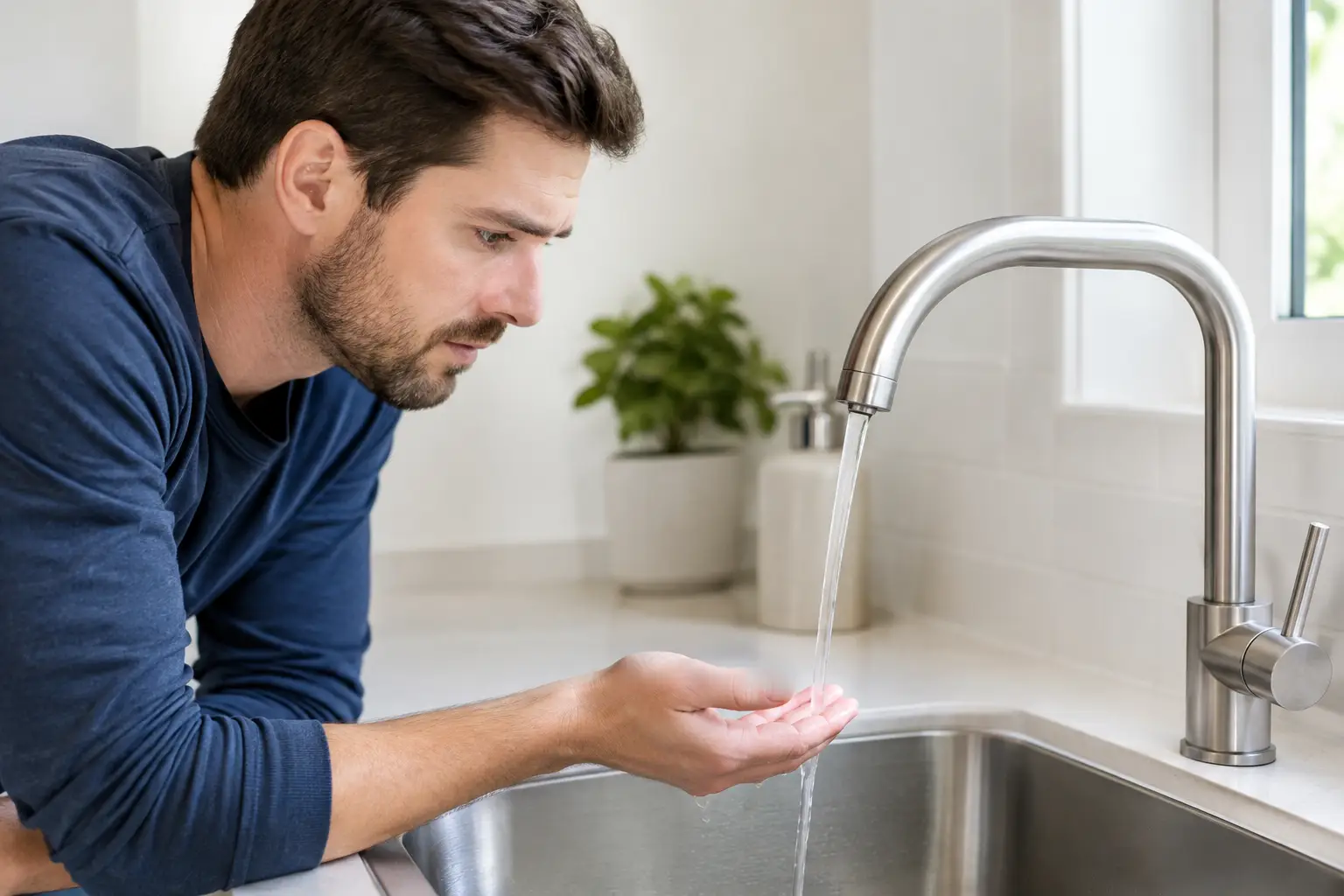
A shower that fades to a trickle halfway through rinsing is more than an everyday annoyance. Low pressure can make taps slow, appliances inefficient and hot water frustratingly inconsistent. Knowing how to fix low water pressure starts with identifying whether the issue is isolated to one fixture, one part of the home or the entire property.
That distinction matters. A blocked showerhead may take five minutes to clean. A hidden leak, failing pressure-reduction valve or corroded pipework needs proper diagnosis before it becomes a larger water, property or repair bill. The aim is not simply to make the water run harder. It is to get to the root of the problem and restore safe, reliable flow.
First, work out where the pressure drops
Before adjusting anything, test a few cold taps around the property. Try the kitchen tap, bathroom basin, shower and an outdoor tap if you have one. Then test the hot taps separately.
If only one tap or shower has poor flow, the restriction is usually at that fixture. If hot water is weak throughout the house but cold water is normal, the issue may sit with the hot-water system, tempering valve or associated pipework. When both hot and cold water are weak at every outlet, look further upstream at the water meter, main supply, pressure-control equipment or a potential leak.
Also ask whether the problem appeared suddenly or gradually. Sudden low pressure can follow a water-main interruption, plumbing work, a valve being knocked partly closed or a burst pipe. A gradual decline is more commonly linked to mineral build-up, ageing galvanised pipes, a deteriorating valve or sediment collecting in filters and aerators.
For strata, retail and commercial sites, compare the affected area with other tenancies or common amenities where practical. That helps establish whether the fault is inside your premises or part of a shared building supply.
How to fix low water pressure at one tap or shower
When the issue is limited to one outlet, start with the simplest likely cause: a blocked aerator or showerhead. These small screens control the shape of the water stream, but they also catch grit, scale and debris released during supply work.
Unscrew the aerator from the end of a tap, keeping the parts in order. Rinse it thoroughly and use a soft brush to remove visible build-up. For a showerhead, remove it if possible and soak it in a suitable descaling solution, then flush it through before refitting. Avoid forcing worn threads or over-tightening fittings, particularly on older tapware.
If cleaning does not improve flow, check whether the isolation valve under the basin or behind the toilet is fully open. A partly closed valve can reduce flow dramatically. Turn it gently anti-clockwise until open, but stop if it feels seized, leaks or looks heavily corroded. Old valves can fail when disturbed, so this is a sensible point to call a licensed plumber rather than create a new leak.
Mixer taps can also have a blocked cartridge or inlet filter. Replacing a cartridge is often straightforward for an experienced plumber, but the correct part depends on the brand and model. Using an ill-fitting component may cause dripping, temperature issues or damage to the mixer body.
Check the obvious supply restrictions safely
If every fixture is affected, inspect the property’s main stop valve. It is commonly located near the water meter, at the front boundary or where the water service enters the building. Make sure it is fully open. If recent work was completed on the property, it may have been left partially closed.
Do not confuse the water meter’s utility equipment with your own plumbing controls, and do not tamper with sealed fittings. If you are unsure which valve serves the house, leave it alone. A plumber can confirm the layout and test the incoming supply without risking damage or an unexpected interruption.
Homes with a pressure-reduction valve, sometimes called a pressure-limiting valve, need closer attention. These devices protect plumbing fixtures from excessively high mains pressure, but they can wear out or become blocked internally. A faulty valve may cause low pressure, inconsistent pressure or a noticeable change in flow at different times of day.
Pressure is measured with a gauge, not guessed from the shower. That test can show whether the incoming supply is low or whether the restriction sits within the home. It also prevents the opposite problem: increasing pressure beyond safe levels can stress flexible hoses, tapware, hot-water systems and older pipework.
Look for signs of a hidden leak
A concealed leak can reduce water pressure while quietly damaging floors, walls, cabinetry or garden areas. Not every leak creates a visible puddle. Watch for damp patches, mouldy smells, peeling paint, unusually green lawn sections, warm areas on floors, or water sounds when all taps and appliances are switched off.
Your water meter can provide another useful clue. Turn off all water use in the property, including dishwashers, washing machines and irrigation, then check whether the meter continues to register flow. If it does, you may have a leak. This is not a complete diagnosis, particularly where toilets are leaking internally, but it is a good reason to arrange professional testing.
Do not ignore a higher-than-normal water bill simply because the taps still work. Small leaks can worsen over time, and low pressure may be the first symptom you notice. Non-invasive leak detection can locate many faults accurately, reducing unnecessary excavation or demolition.
Consider your hot-water system
Weak hot-water flow with healthy cold-water flow points to a different set of causes. Sediment can build up in storage tanks, valves can restrict flow, and ageing pipework can narrow internally. In some homes, the tempering valve that controls safe outlet temperature is the source of the restriction.
A hot-water issue deserves careful handling. These systems involve high temperatures, pressure-relief components and, depending on the unit, electricity or gas. Do not dismantle valves or remove covers in an attempt to increase flow. A licensed plumber can test the system, assess the valve settings and condition, and recommend repair or replacement based on the actual fault.
If pressure drops only while hot water is being used elsewhere, your household demand may simply exceed the system’s capacity or the pipe size serving key bathrooms. This is common in busy family homes with multiple showers running in the morning. The right solution could be a system upgrade, pipework changes or a more suitable hot-water configuration, not a quick adjustment.
When ageing pipes are the real problem
Older Sydney properties may still have sections of galvanised steel pipe. Over decades, internal corrosion can reduce the bore of the pipe until water flow is severely restricted. From outside, the pipe may look sound. Inside, it can be heavily scaled and unable to deliver enough water to modern fixtures.
This usually presents as a gradual, whole-home issue, sometimes worse at fixtures furthest from the supply. Cleaning tapware will not solve it. Depending on the condition and layout, targeted pipe replacement may help, while other homes are better served by a staged or full repipe.
A proper assessment weighs the age of the property, visible pipe condition, renovation plans and whether leaks have already occurred. Replacing a short section can be sensible where the fault is localised. Replacing more pipework at once may offer better long-term value if failures and restrictions are widespread.
Avoid fixes that create bigger problems
It is tempting to fit a high-pressure showerhead, remove flow restrictors or turn up a pressure valve. These approaches may change what you feel at one outlet, but they do not address a blocked line, hidden leak or failing component. They can also create compliance and safety concerns.
Be cautious with chemical drain products too. A drainage blockage can affect appliance operation or cause backup, but it does not usually cause low pressure at your taps. Chemical products can damage pipework and make later repairs more hazardous. Keep water-supply and drainage symptoms separate when describing the problem.
For homes using rainwater tanks, pumps or filtration systems, low pressure may come from a blocked filter, pump issue, pressure tank fault or low tank level. These systems need a different diagnostic process from a direct mains supply. A plumber can determine which source is serving each fixture and test the relevant equipment.
When to call a licensed plumber
Arrange professional help promptly if low pressure affects the entire property, follows a burst pipe or renovation, comes with discoloured water, or is paired with damp patches and unexplained water use. The same applies if valves are leaking, seized or difficult to identify.
A quality diagnosis should include testing pressure and flow, checking valves and fixture restrictions, assessing the meter and main supply, and investigating leaks where the evidence points that way. You should receive a clear explanation of what has failed, what the repair involves and what it will cost before work begins.
For homeowners and property managers across northern Sydney, Pioneer Plumbing Co. approaches low-pressure faults with that same no-shortcuts standard: clean diagnosis, transparent flat-rate quoting and repairs designed to last. The proof is in the pipework, not a temporary increase in flow.
Low water pressure rarely improves by itself. A quick check of a showerhead may be all that is needed, but when the cause is hidden, acting early protects your plumbing, your property and the comfort of everyone using it.