
A blocked drain can turn a normal Sydney morning into a stressful one quickly. When someone suggests high-pressure water jetting, the natural question is: does hydro jetting damage pipes? In most cases, no. When performed by a licensed plumber using the right equipment, pressure and nozzle, hydro jetting is a highly effective way to clear drains without damaging sound pipework. The key word is sound.
Hydro jetting is not a one-size-fits-all fix. A drain with cracks, failed joints, severe corrosion or a partial collapse needs a careful diagnosis before any high-pressure cleaning begins. That is why professional drain clearing should start with understanding what is inside the pipe, not simply applying more force.
Does Hydro Jetting Damage Pipes When Done Properly?
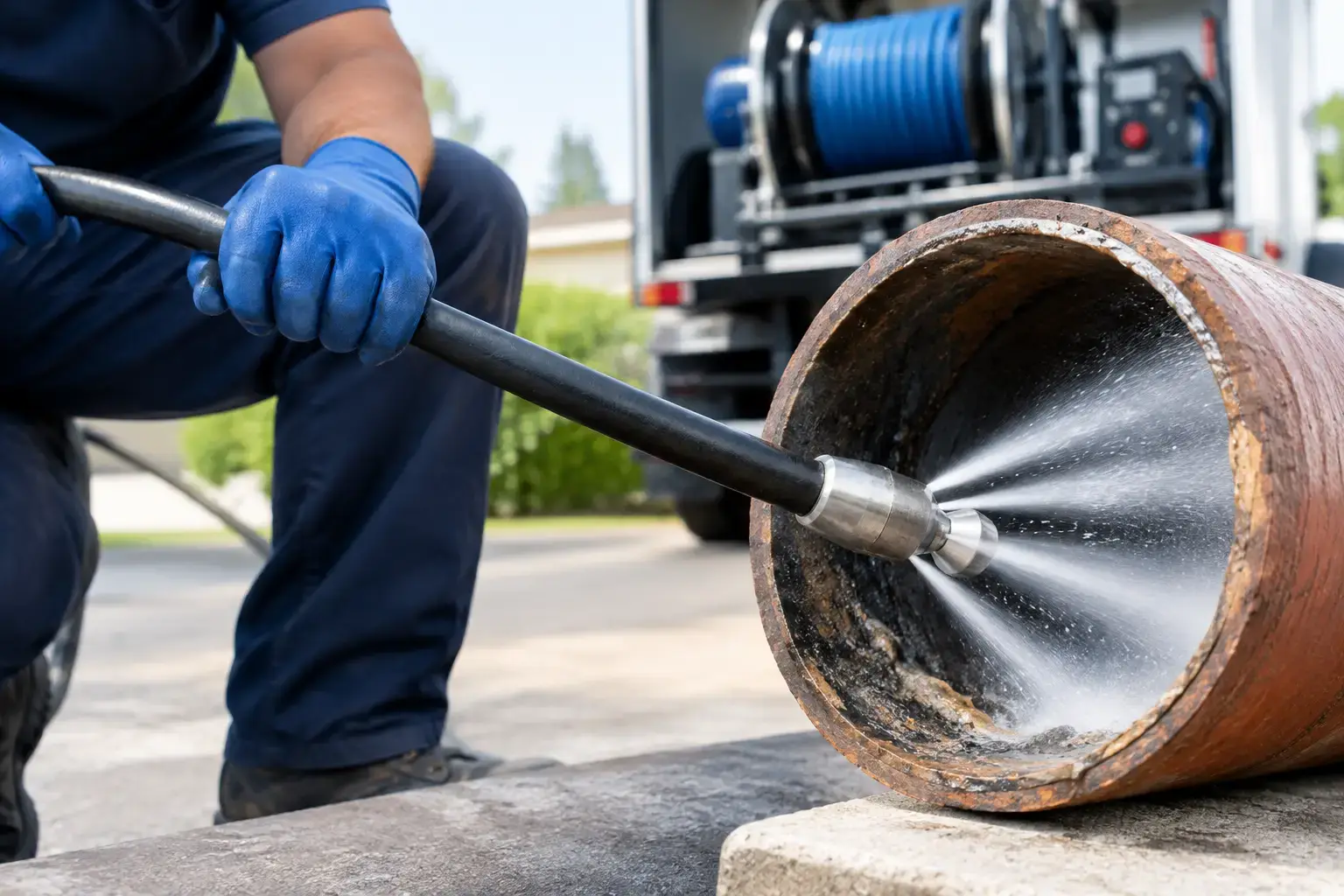
Hydro jetting uses a specialised hose and nozzle to send controlled, high-pressure water through a drain. The water cuts through grease, sludge, soap residue, scale, tree roots and built-up debris, then flushes the material towards the sewer connection. Unlike a basic drain snake, it cleans much more of the pipe wall rather than only punching a small path through the blockage.
For pipes in good condition, this process is safe. Professional jetting units allow the operator to select pressure, flow rate and nozzle type to suit the blockage and the pipe. A light grease build-up in a kitchen waste line calls for a different approach from mature tree roots in an external sewer drain.
The risk comes when jetting is attempted without knowing the pipe condition, or when unsuitable equipment is used at excessive pressure. A quality plumber does not treat every blockage like the same job. They assess the system, choose the right method and stop if the drain shows signs of structural failure.
When High-Pressure Drain Cleaning Can Cause Problems
Water jetting does not usually create damage in a healthy pipe. It can, however, expose damage that was already present or worsen a pipe that is near the end of its serviceable life.
Older Sydney properties may have ageing earthenware or terracotta sewer pipes, particularly where large established trees are nearby. Over decades, ground movement, root intrusion and worn seals can leave joints separated or pipe sections cracked. Water jetting may clear the roots and debris from these faults, but it cannot restore the pipe itself.
The same applies to badly corroded metal pipes, poorly installed plastic pipework or drains with a partial collapse. If a pipe wall has become fragile, high-pressure water can dislodge loose material or reveal a break that had been hidden behind roots and sediment. The jetter did not cause the original deterioration, but it may bring an existing problem to the surface.
That can feel inconvenient, but it is better than repeatedly paying for temporary drain clearing while wastewater leaks into the ground or a blocked sewer returns at the worst possible time.
Warning signs your pipes need inspection first
A CCTV drain inspection is especially worthwhile when a blockage keeps returning, multiple fixtures are draining slowly, or you notice gurgling from toilets and floor wastes. Wet patches in the yard, a sewage smell, unusually green grass along a drain line, or sinkholes near external plumbing are also reasons to investigate before jetting.
For a simple first-time blockage caused by grease, wipes or bathroom debris, a plumber may be able to jet the line safely as part of the clearing process. For recurring or severe blockages, camera footage provides the evidence needed to choose the right repair, rather than guessing.
Why CCTV Comes Before the Pressure
CCTV drain cameras give a live view inside the pipe. They can identify root masses, cracked sections, displaced joints, bellies where water and waste sit, foreign objects and collapsed pipework. They also show the pipe material and help the plumber locate the issue accurately from above ground.
This matters because the best solution depends on the cause. Jetting is excellent for clearing roots and restoring flow, but roots will grow back if they are entering through an open joint or crack. In that situation, clearing the blockage may be the immediate priority, followed by a targeted repair, pipe relining or replacement of the affected section.
A camera inspection after jetting is just as valuable. It confirms that the line is clear and shows whether there is damage requiring further work. You should not have to take a plumber's word for it. Clear footage gives homeowners, strata managers and commercial operators a better basis for deciding what happens next.
Hydro Jetting Versus Drain Snaking
Drain snakes and electric eels still have a place in plumbing. They can be useful for retrieving a localised obstruction or opening a blocked line where access is limited. However, they generally create a hole through the blockage rather than fully washing grease, sludge and fine root material from the pipe walls.
Hydro jetting provides a more thorough clean, particularly for kitchen drains affected by fats and food residue, commercial waste lines, and sewer drains with widespread root intrusion. It is also less likely to leave sharp metal tooling scraping around inside modern PVC pipework when used correctly.
Neither method is automatically better in every circumstance. An experienced plumber selects the least invasive, most effective option for the drain in front of them. If the pipe is structurally unsound, neither jetting nor snaking is a permanent answer. The focus needs to shift to repair.
What a Safe Hydro Jetting Service Looks Like
Professional work is methodical, clean and transparent. Before starting, the plumber should ask about the history of the blockage, inspect accessible fixtures and identify whether the affected line serves a toilet, kitchen, bathroom, stormwater system or commercial area.
Where conditions suggest an older or damaged drain, they should use CCTV to inspect it. They should then explain what has been found in plain English, recommend the appropriate clearing method and be upfront about likely next steps if the camera reveals a defect.
During jetting, the hose is fed through the drain with a nozzle designed for the job. Rear-facing water jets propel the hose forward while pulling debris back towards the access point. Root-cutting nozzles, grease nozzles and flushing nozzles all work differently. Correct nozzle selection protects the pipe and improves the result.
Afterwards, the plumber should test drainage from relevant fixtures and, where needed, reinspect the line by camera. The work area should be left tidy, particularly when access has involved a bathroom, kitchen, garden or commercial premises. Good plumbing is not only about getting water moving again. The proof is in the pipework, and in the way the job is handled from arrival to clean-up.
Can Hydro Jetting Clear Tree Roots Permanently?
It can remove roots from inside the drain and restore flow, sometimes very effectively. It cannot stop roots returning through damaged joints, cracks or fractures. Think of jetting as clearing the symptom and CCTV as finding the entry point.
If the pipe is otherwise sound and root growth is minor, scheduled maintenance may be a sensible option. If roots are entering through repeated defects, a lasting repair is usually better value. This may involve excavation and replacement of a damaged section, or a trenchless repair where suitable.
For strata and commercial properties, a planned maintenance program can reduce emergency call-outs and help prevent disruption to tenants, customers and staff. The right approach balances immediate restoration of service with the condition and expected lifespan of the drainage system.
How to Protect Your Drains Between Visits
Avoid tipping cooking oil, coffee grounds or food scraps down the kitchen sink. Use strainers in showers, basins and laundry tubs, and keep wipes, paper towel, sanitary products and cotton buds out of the toilet, even when packaging suggests they are flushable.
These habits will not prevent every blockage, especially where roots or ageing pipes are involved. They do reduce the build-up that makes drains slow, smelly and more likely to back up. If a drain starts gurgling or draining slowly, act early rather than waiting for an overflow.
A properly assessed hydro jetting service should leave you with more than a temporarily flowing drain. It should give you a clear view of your pipe condition, an honest recommendation and confidence that the right fix has been chosen for your property.