
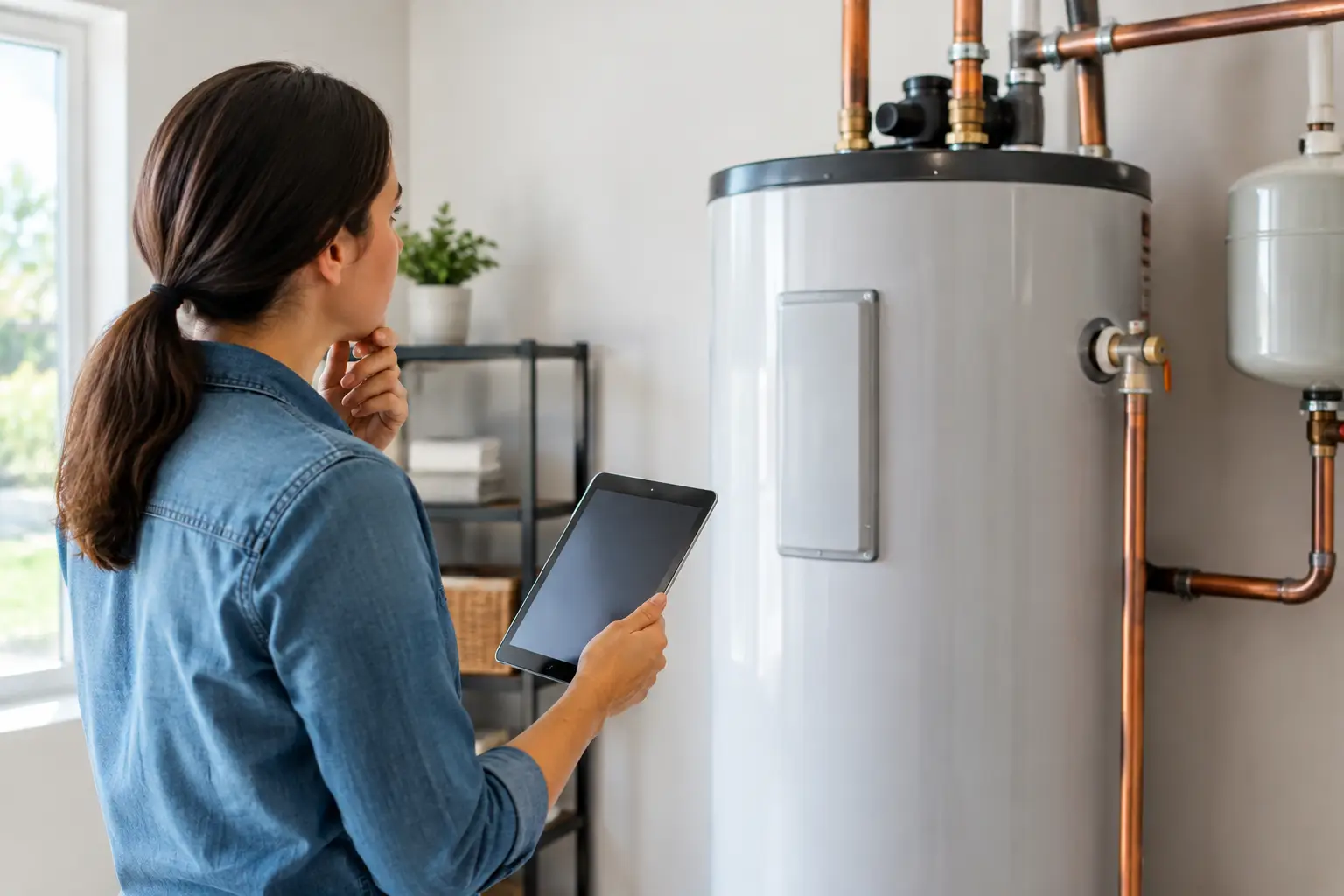
The shower goes cold just as the second person gets in, the dishwasher waits until bedtime, and nobody wants to run the washing machine on a busy morning. That is a hot water capacity problem in real terms. It is not always a sign that the system is broken. Often, the unit simply cannot keep up with the way your household or premises actually uses hot water.
Choosing the right capacity is about more than buying the biggest tank that will fit. A correctly sized system delivers reliable comfort without paying to heat water you do not need. For Sydney homes, strata buildings and commercial sites, the right answer depends on demand patterns, energy source, available space and how quickly the system can recover between uses.
What hot water capacity really means
Hot water capacity is the volume of usable hot water a system can provide before it needs time to reheat. With a storage system, that usually means the litres held in the tank, adjusted for the temperature at which water is stored and the cooler water mixed in at the tap. A 250-litre tank does not necessarily deliver exactly 250 litres at shower temperature.
Capacity also includes recovery rate. This is how quickly the system replaces the hot water you have used. A gas storage unit may recover more quickly than an electric storage unit of a similar size. A continuous-flow gas system has no storage tank in the usual sense, but its capacity is limited by how many litres per minute it can heat as water passes through.
That distinction matters. A larger tank can suit a family that uses several showers close together. A high-output continuous-flow unit can be excellent where space is tight and usage is spread through the day. Neither approach is automatically better. The system needs to match the property.
Signs your system is too small
An undersized unit usually gives clear warnings before it fails completely. You may notice that hot water runs out after one or two showers, or that the temperature drops when another tap, washing machine or dishwasher starts. Longer-than-usual recovery times are another clue, particularly with electric storage systems.
At a commercial property, the signs can be more disruptive. Staff amenities may struggle during peak breaks, a salon may lose water pressure and temperature consistency between basins, or a café may not have dependable supply for cleaning and wash-up. Strata managers may receive recurring complaints from occupants at the same times each day.
It is worth separating a capacity issue from a fault. A failing thermostat, worn tempering valve, sediment build-up, damaged heating element or incorrect temperature setting can all reduce usable hot water. Replacing a system without diagnosing the cause first can mean spending more and ending up with the same frustration.
How to size hot water capacity for your household
Start with people, but do not stop there. A two-person household with long showers, a large rain shower head and frequent washing cycles can use more hot water than a family of four with efficient fixtures and staggered routines. The key question is what happens during the busiest hour of the day.
For many homes, morning demand tells the story. Count the showers likely to run close together, then consider whether the dishwasher, washing machine or kitchen tap is used at the same time. Teenagers, shift workers, guests and a growing family can quickly change the pattern a system was originally selected for.
A practical guide is to consider these factors together:
- the number of regular occupants and likely future occupants
- shower duration and the flow rate of shower heads
- bathrooms, ensuites and appliances that may operate at once
- whether usage is concentrated in the morning or evening
- the system's fuel type and its recovery rate
- roof space, outdoor clearance, electrical supply and gas availability
A plumber can turn those details into a realistic recommendation rather than relying on a one-size-fits-all tank size. This is particularly valuable in renovated homes, where a new ensuite or larger shower may have changed demand without anyone reassessing the hot water unit.
Storage systems: litres are only part of the answer
Electric storage systems heat water in a cylinder, commonly during off-peak periods or at programmed times. They can be cost-effective in the right setup, but recovery can be slower once the stored supply has been used. If several people shower consecutively, tank size and heating schedule matter greatly.
Gas storage systems also keep heated water in a tank but generally offer faster recovery. They can suit busy households that need dependable supply across the day. The trade-off is the need for compliant gas connection, ventilation requirements and suitable installation space.
Heat pump systems store water too, but use heat from the surrounding air to do much of the heating work. They are highly efficient under suitable conditions and can reduce running costs. Their performance, noise location, available space and household usage schedule all need careful consideration. They are not simply a drop-in choice for every property.
Continuous-flow systems: capacity is measured in flow
Continuous-flow systems heat water on demand, which means they do not run out of stored hot water. However, they have a maximum flow rate. If the unit is rated for a certain number of litres per minute, multiple showers and taps can exceed that output, especially during colder weather when incoming water is cooler.
A correctly selected continuous-flow system can be a smart option for apartments, townhouses and homes with limited space. Larger households may need a higher-capacity unit, separate units for different zones, or a different system entirely. The right choice depends on simultaneous demand, not just the number of bedrooms on a real estate listing.
Why Sydney conditions and plumbing design matter
Sydney's incoming mains water temperature varies through the year. In winter, colder inlet water means a system must work harder to achieve the desired outlet temperature. A continuous-flow unit that feels generous in warmer months can feel stretched when two showers run on a cold July morning.
The plumbing layout also affects performance. Long pipe runs to distant bathrooms waste water and heat while occupants wait for hot water to arrive. Poorly insulated pipework, restrictive valves and ageing pipework can add to the problem. In some homes, improving the distribution design or fitting suitable fixtures may make a noticeable difference without moving to an oversized system.
Water-saving shower heads can reduce demand, but quality matters. The aim is not a weak, disappointing shower. It is a comfortable flow rate that works within the capacity of the system and helps keep energy bills under control.
Capacity mistakes that cost more later
The obvious mistake is choosing too little capacity. It creates daily inconvenience, extra wear from constant reheating and the risk of an early replacement when the household outgrows the unit.
Oversizing has a cost too. A large storage tank takes up more room and may use more energy maintaining water temperature, particularly where demand is modest. It can also complicate placement in a tight laundry, cupboard or side passage. Bigger is not always better - properly matched is better.
Another common issue is overlooking the tempering valve. Australian plumbing standards require hot water delivered to bathrooms in many residential settings to be tempered to a safe temperature. This protects against scalding, but it also changes how stored hot water translates into usable shower water. A licensed plumber should account for this when assessing practical capacity.
For strata and commercial sites, capacity planning needs to consider peak periods, tenant type, future occupancy and maintenance access. A system that is technically adequate on paper may be inadequate at 8:30 am when every office level, retail tenancy or staff amenity is active at once.
When a repair is enough and when replacement makes sense
If hot water performance has suddenly changed, repairs may restore the capacity you already had. Fault finding can identify issues such as failed elements, burners, thermostats, pressure valves, leaks or tempering valve problems. These faults deserve prompt attention, particularly where water is leaking or a gas appliance is involved.
Replacement becomes more sensible when the unit is nearing the end of its service life, has recurring faults, cannot meet the household's needs, or is inefficient to operate. It is also an opportunity to choose a system that suits how you live now, rather than how the previous owner lived years ago.
Pioneer Plumbing Co. assesses the whole picture: the existing unit, actual usage, pipework, installation location and available services. You receive a clear explanation of the options, transparent pricing and workmanship carried out properly, not a rushed swap that leaves the underlying problem behind.
A well-sized hot water system should fade into the background. Showers stay comfortable, the kitchen keeps moving and your property has one less daily compromise. If yours is running cold, treat it as useful information: your home is telling you it is time to check the capacity, the condition and the design behind it.